
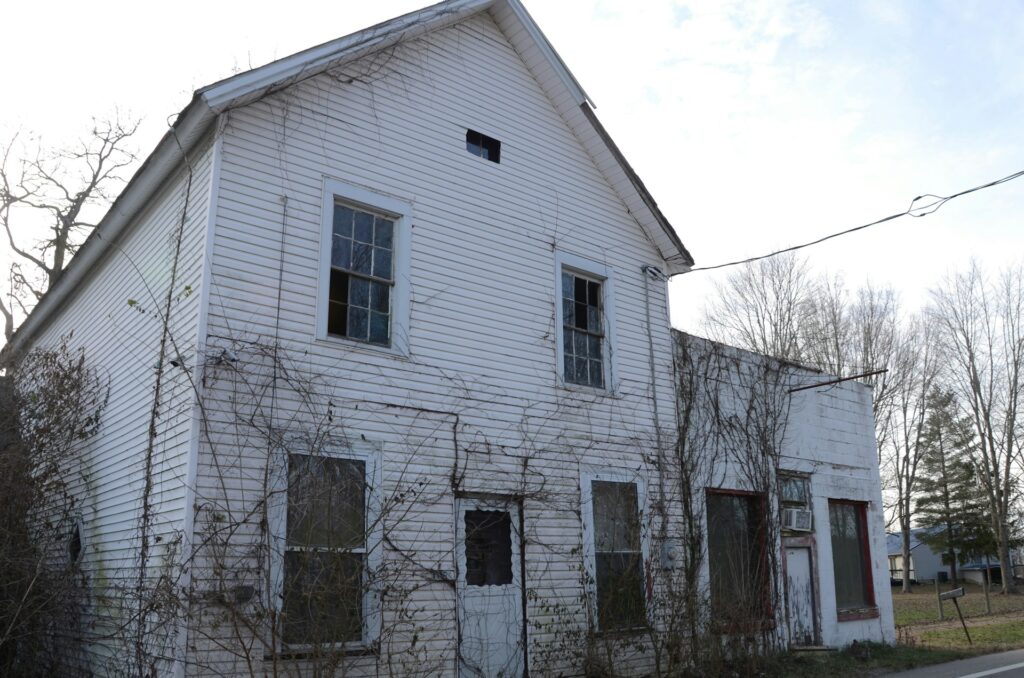
Leaving a home unattended for extended periods can expose it to a range of hidden risks that may not be immediately visible until significant damage has already occurred. Issues such as unnoticed water leaks, electrical faults, pest infestations, and security vulnerabilities can gradually worsen over time without regular monitoring. Weather-related damage, including frozen pipes or storm impacts, can also lead to costly repairs if not addressed promptly. Home Watch Service Nova Scotia helps reduce these risks by providing routine inspections and early detection of potential problems while a property is vacant. This article explores the hidden risks of leaving your home unattended for long periods and why proactive oversight is essential for protecting residential properties.
Increased Risk of Break-Ins and Vandalism
One of the most immediate risks of leaving a home unattended is increased vulnerability to burglary and vandalism. Criminals often target properties that show clear signs of being unoccupied, such as piled-up mail, unlit rooms, or overgrown gardens. Without daily activity, the home becomes a more tempting target because there is no visible deterrent. Even if valuable items are removed, structural damage or forced entry can lead to costly repairs. Security systems help reduce risk, but physical presence or regular monitoring remains one of the strongest deterrents against unauthorized access.
Undetected Maintenance Problems
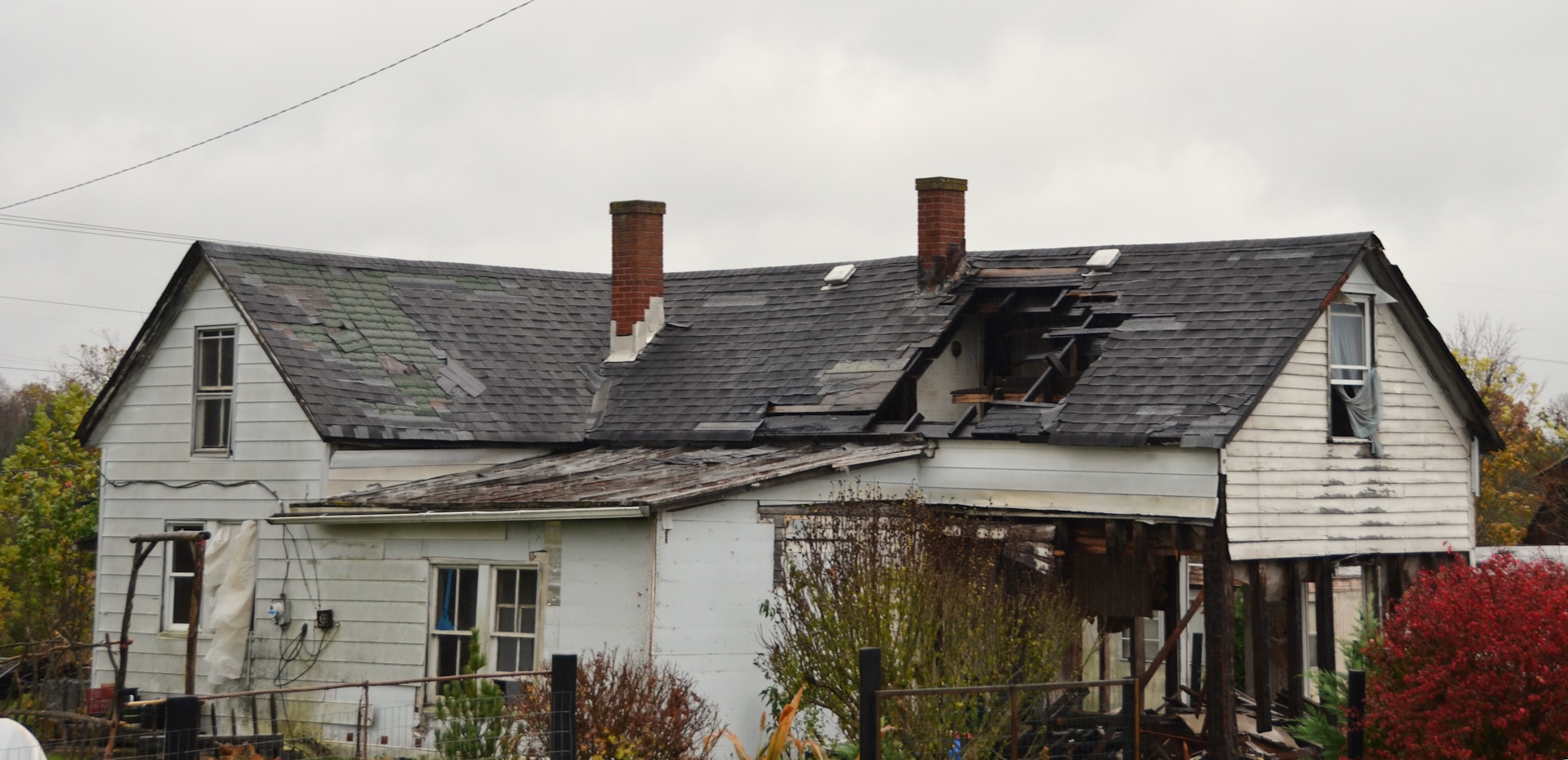
Homes require continuous maintenance, and small issues can quickly become major problems when left unchecked. Leaking pipes, roof damage, or electrical faults may go unnoticed for weeks or months in an empty property. Water leaks in particular can cause extensive structural damage, including mold growth, weakened foundations, and ruined interiors. In occupied homes, these issues are often detected early, but in unattended properties, they can escalate silently. Regular inspections are essential to prevent minor maintenance issues from becoming costly repairs.
Environmental and Weather-Related Damage
Weather conditions can significantly impact unoccupied homes. Heavy rain, strong winds, extreme heat, or humidity can cause gradual deterioration over time. Roof tiles may loosen, windows may weaken, and exterior surfaces may degrade without regular upkeep. In colder climates, frozen pipes can burst, causing severe water damage. Even in moderate climates, prolonged exposure without maintenance can reduce the lifespan of building materials. Homes that are regularly checked are far more likely to withstand environmental stress without long-term damage.

Pest Infestation and Biological Growth
Empty homes are more likely to attract pests such as rodents, insects, and birds. Without human activity, these spaces provide quiet and undisturbed environments for nesting and infestation. Over time, pests can damage wiring, insulation, and wooden structures. In addition, humidity and stagnant air can promote mold and mildew growth, especially in poorly ventilated areas. These biological issues not only damage the property but can also create health hazards that require professional remediation if left unresolved.
Utility and System Failures
When a home is not regularly monitored, essential systems such as plumbing, heating, and electrical networks may fail without detection. A small malfunction in a water heater or air conditioning unit can escalate into a major system breakdown if left unattended. Additionally, unnoticed leaks or electrical faults can lead to higher utility bills or even fire hazards. Regular system checks ensure that all utilities remain functional and safe, reducing the likelihood of unexpected and costly emergencies.
Leaving a home unattended for long periods exposes it to a variety of hidden risks, including security threats, maintenance failures, environmental damage, pest infestations, and system breakdowns. While some risks may seem minor at first, they can quickly escalate into significant financial and structural problems. Regular monitoring, maintenance, and professional oversight are essential for protecting a property that is not constantly occupied. Homeowners who take proactive steps to manage these risks can preserve both the value and safety of their property over time.